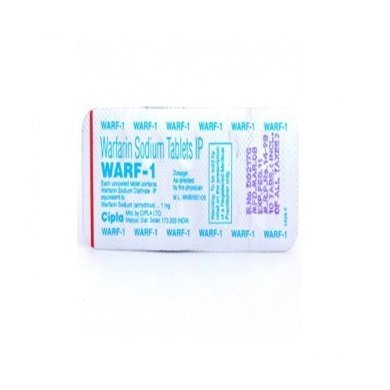
The dosage of Warf 1mg varies depending on the individual’s condition, INR levels, and response to treatment. The typical starting dose ranges from 2 to 5 mg daily, which may be adjusted to maintain an INR between 2.0 to 3.0 for most conditions.
For patients with mechanical heart valves, a higher INR target (2.5 to 3.5) may be required. Warf 1mg may be part of a flexible dosing regimen. Never adjust the dose on your own—always follow your doctor’s guidance.
Benefits of Warf 1mg
- Prevents formation of dangerous blood clots in veins, lungs, heart, and brain
- Reduces risk of stroke in patients with atrial fibrillation
- Protects against pulmonary embolism and deep vein thrombosis (DVT)
- Prevents clot-related complications after surgeries, especially heart valve replacement
- Lowers the chance of recurrent heart attacks in high-risk patients
- Improves long-term survival in people with clotting disorders
- Allows tailored anticoagulation therapy through INR monitoring for optimal safety and efficacy
Side Effects of Warf 1mg
- Bleeding (nosebleeds, gum bleeding, heavy menstrual flow)
- Bruising easily
- Blood in urine or stools
- Stomach pain or nausea
- Hair loss (alopecia)
- Fatigue or weakness
- Dizziness or headache
- Allergic reactions (rash, itching, swelling)
- Purple toes syndrome (rare)
- Skin necrosis (very rare but serious)
Precautions
Warf 1 mg should be used with caution under medical supervision. Inform your doctor if you have liver, kidney, or bleeding disorders, or if you are pregnant or planning surgery. Avoid sudden changes in diet, especially foods rich in vitamin K (like spinach or broccoli).
Limit alcohol and avoid NSAIDs unless approved. Monitor for signs of bleeding and bruising. Regular INR blood tests are essential to maintain safe and effective dosing. Always inform healthcare providers that you are taking warfarin.
Frequently Asked Questions
What is Warf 1mg used for?
Warf 1 mg is used to prevent and treat blood clots in conditions like deep vein thrombosis (DVT), pulmonary embolism (PE), atrial fibrillation, and after heart valve surgeries.
How long should I take Warf 1mg?
The duration depends on your medical condition. Some patients take it for a few months, while others may need it lifelong under close monitoring.
Can I take Warf 1mg with food?
Yes, you can take Warf 1 mg with or without food. Try to maintain a consistent diet, especially with vitamin K-rich foods.
What foods should I avoid while on Warf 1mg?
Avoid large or sudden changes in intake of vitamin K-rich foods such as spinach, broccoli, kale, and cabbage. These can interfere with the drug’s effectiveness.
What happens if I miss a dose?
Take the missed dose as soon as you remember. If it’s almost time for the next dose, skip the missed one. Do not double the dose. Contact your doctor if unsure.
Can I take other medications with Warf 1 mg?
Always consult your doctor before combining Warf with other medications, including over-the-counter drugs and herbal supplements, as many can interact with it.
How is my dosage monitored?
Your doctor will regularly test your INR (International Normalized Ratio) through blood tests to ensure the dosage is safe and effective.
Is it safe to take Warf 1mg during pregnancy?
No, Warf 1mg is generally not recommended during pregnancy due to potential risks to the fetus. Speak to your doctor about safer alternatives.
Conclusion
Warf 1 mg is a vital anticoagulant that helps prevent and treat serious blood clot-related conditions, such as DVT, PE, and stroke. While highly effective, it requires strict medical supervision, regular INR monitoring, and lifestyle consistency to ensure safety.
Adhering to prescribed doses and taking necessary precautions can significantly reduce the risk of complications.